Read on my Substack and subscribe!
International Days, many of them designated by the United Nations, are “occasions to educate the general public on issues of concern, to mobilise political will and resources to address global problems, and to celebrate and reinforce achievements of humanity,” according to the global organisation.
They focus on “the maintenance of international peace and security, the promotion of sustainable development, the protection of human rights, and the guarantee of international law and humanitarian action.” But many of them go unnoticed.
So one of my goals for 2026 is to start highlighting the ones I believe bring attention to crucial issues we’re facing as a planet. (And a few other, less official but fun ones.)
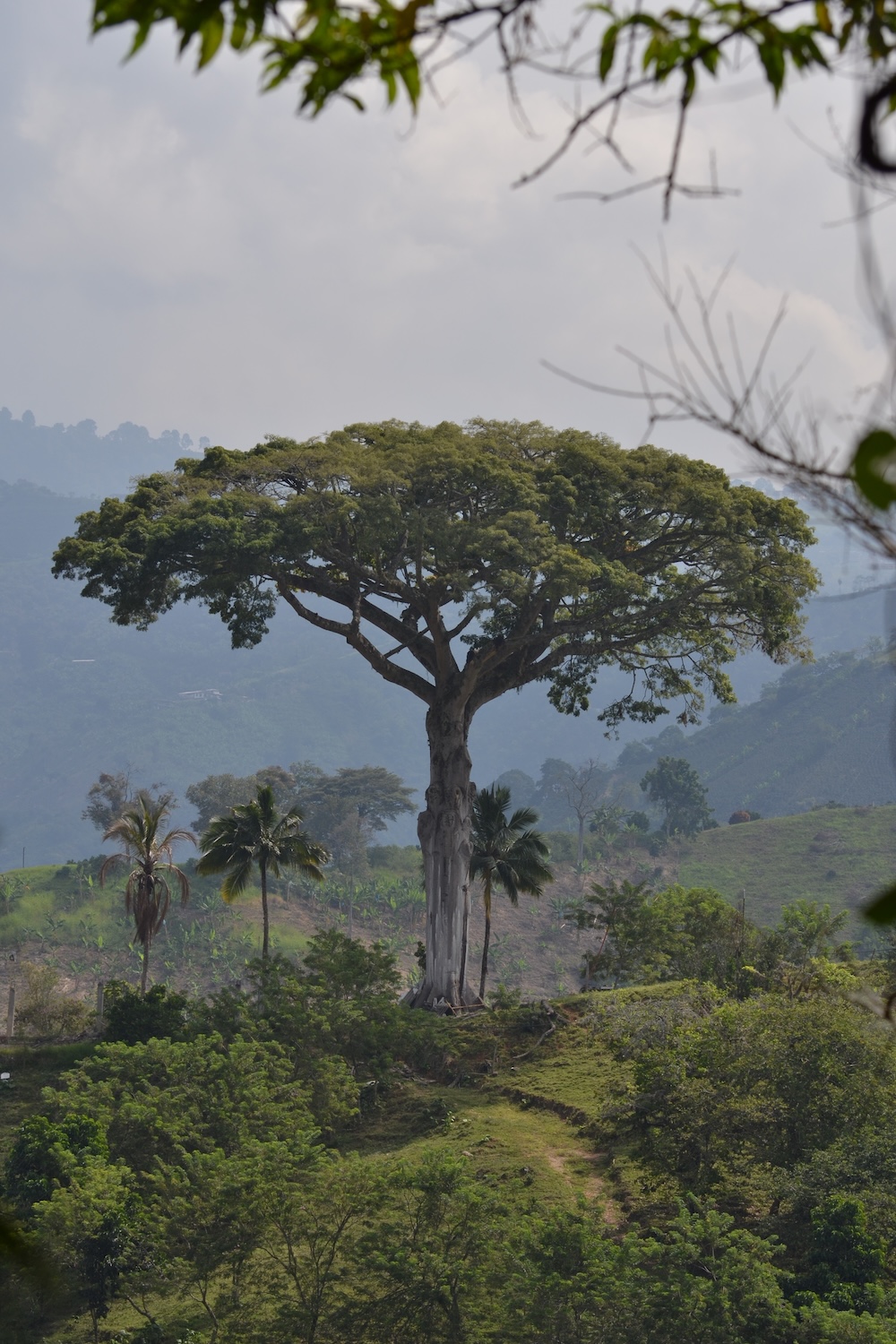
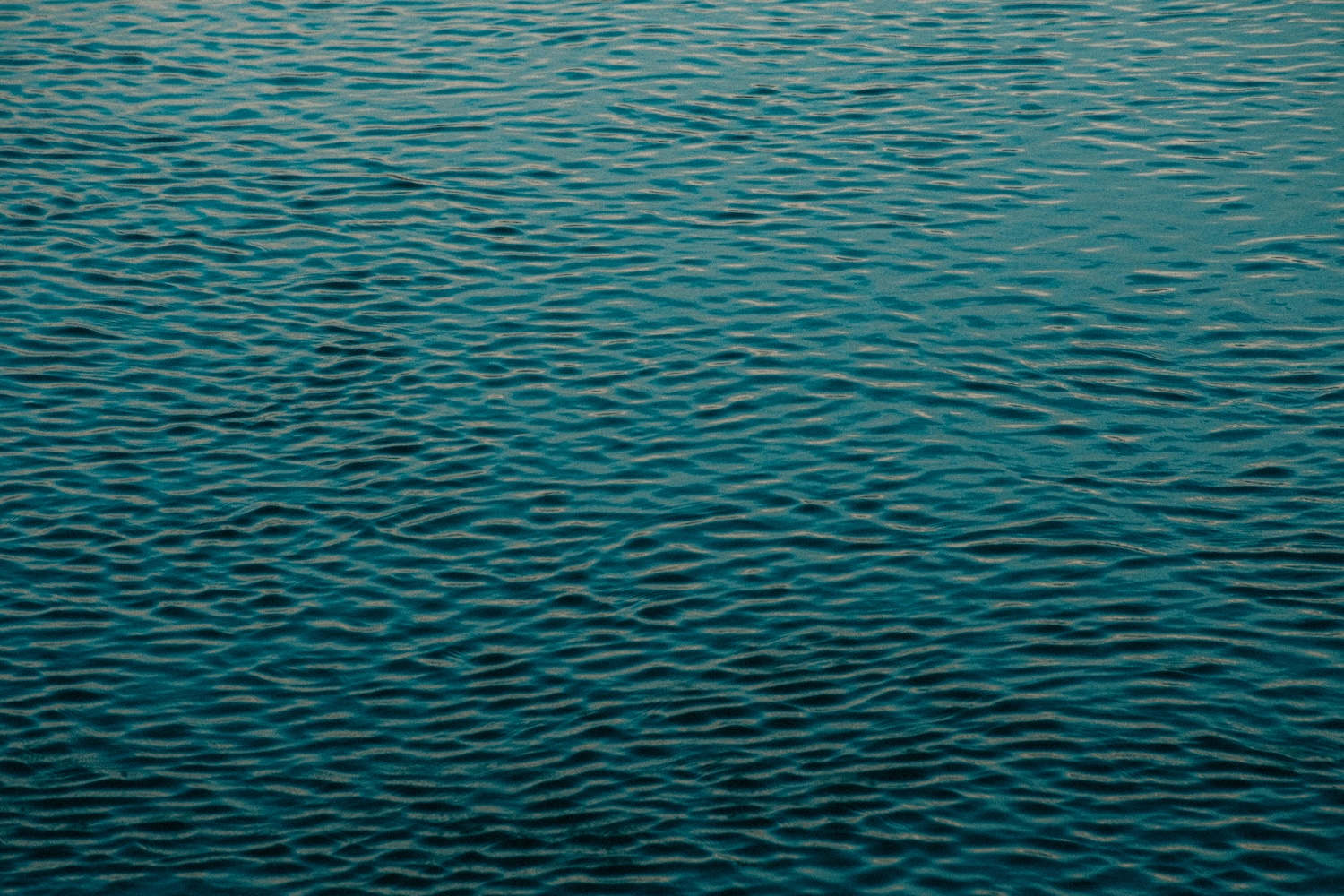
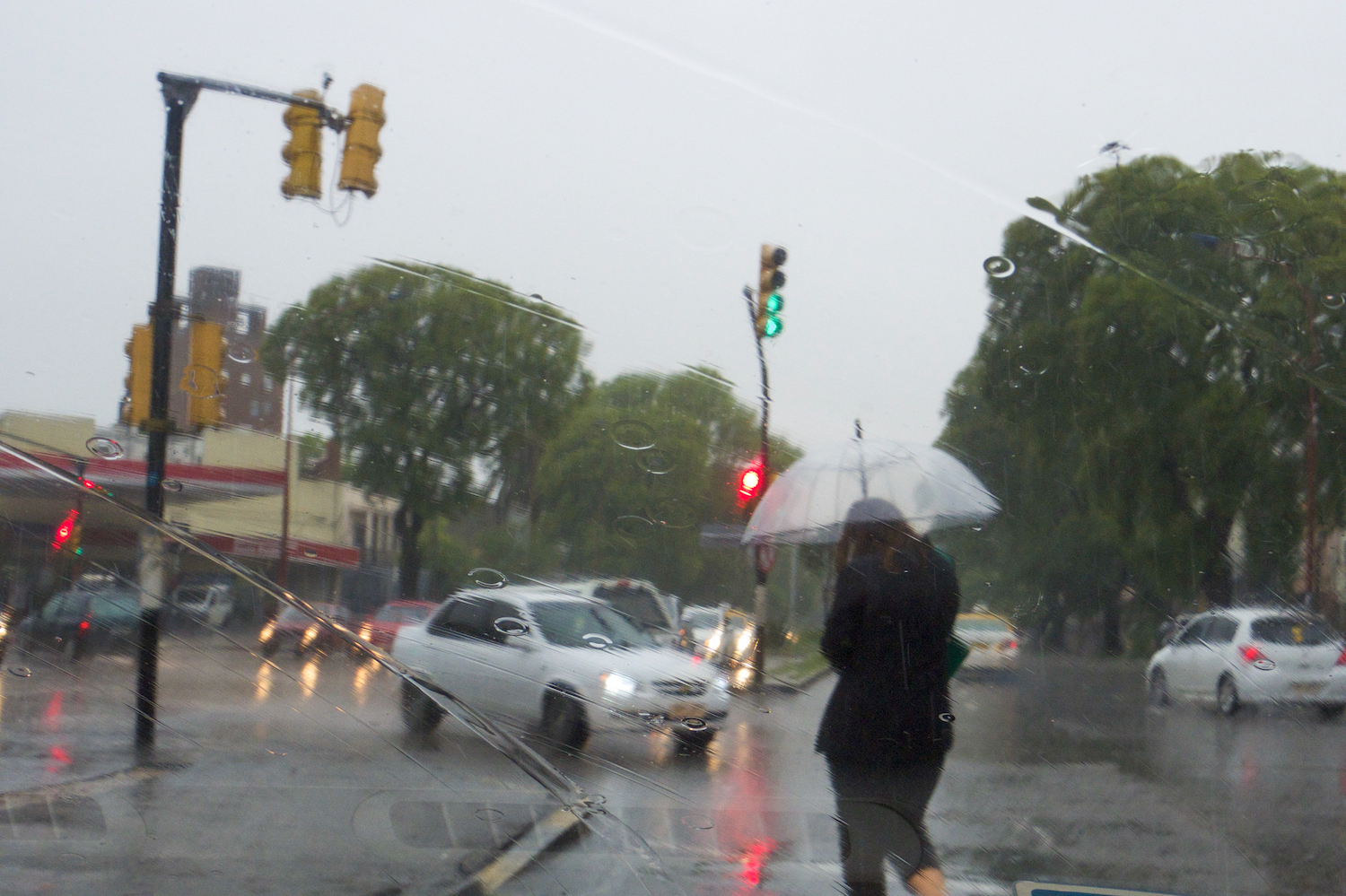
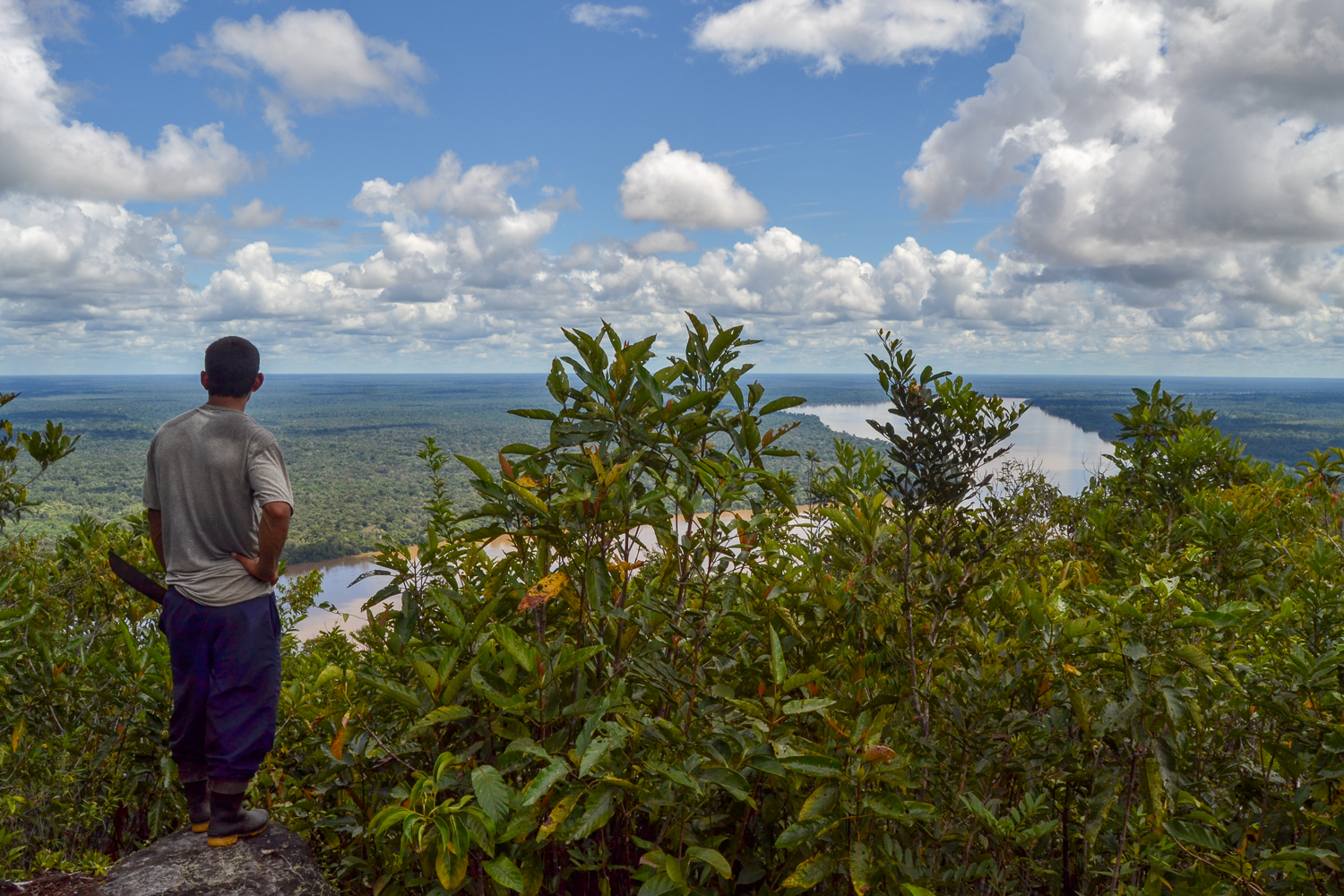
On the third week of March, for instance, there were three special days to celebrate our natural world: International Day of Forests, International Water Day, and World Meteorological Day.
So, even though I’m a few weeks late, I went through my photos and did a bit of research about these three pillars of our survival.
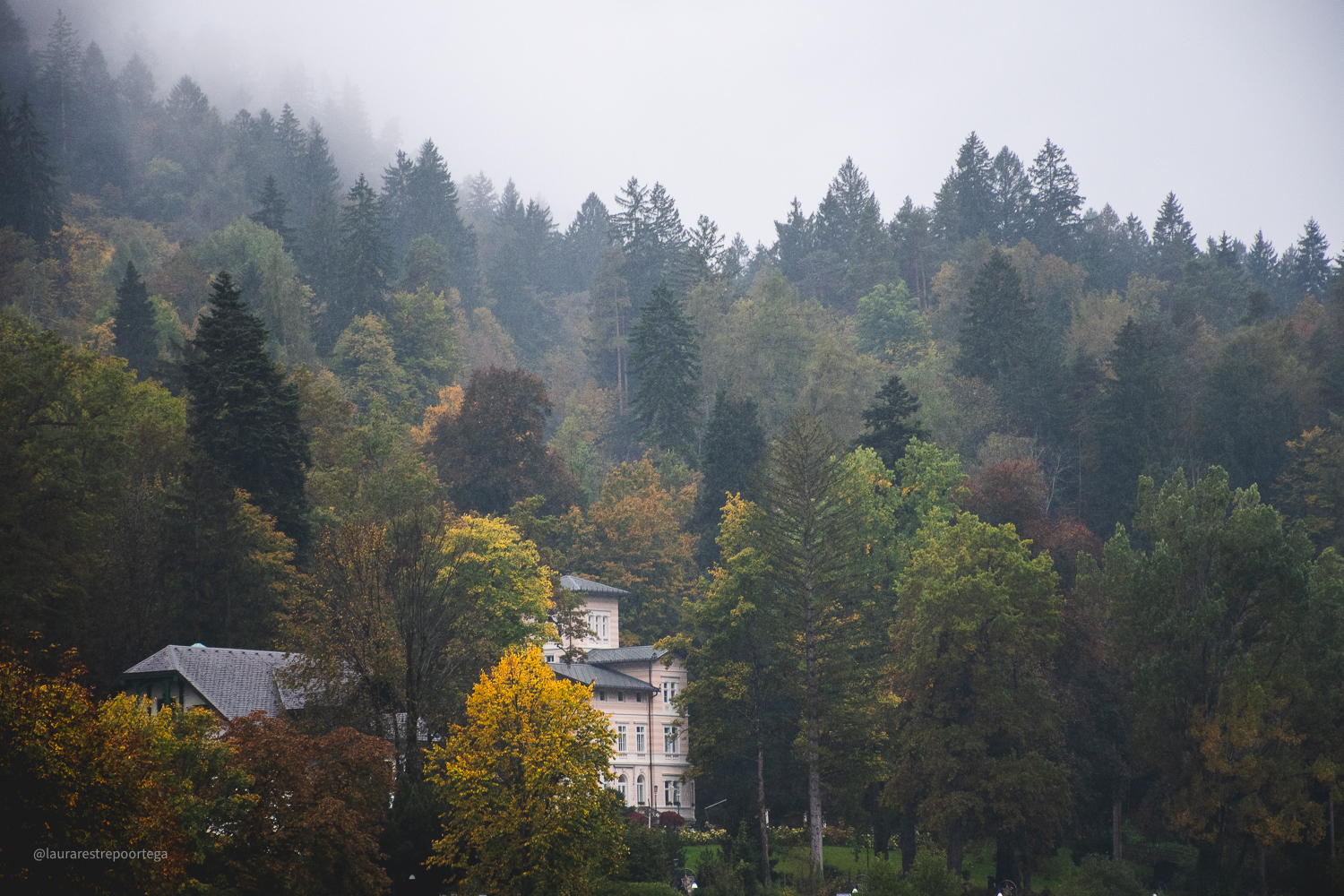
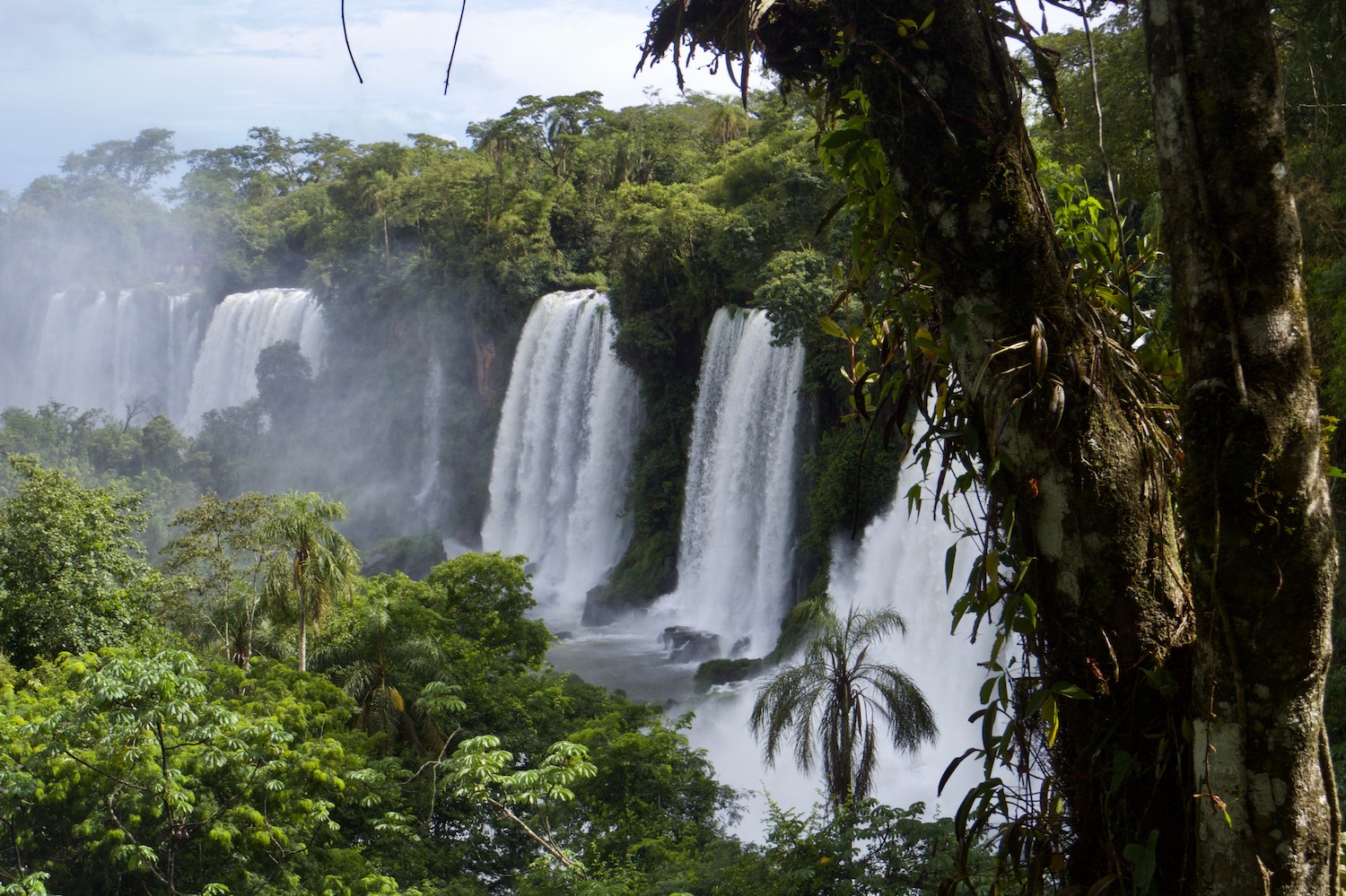
Whether we live in urban or rural areas, forests protect us against extreme weather conditions like storms, landslides, erosion, and floods, and play a pivotal role in mitigating climate change through carbon sequestration, which helps reduce greenhouses gases.
According to the UN, forests cover one-third of the Earth’s landmass and are home to over half of the world’s terrestrial species, but just a few centuries ago, those figures were much higher.
Deforestation has razed the world’s forests, transforming landscapes and threatening biodiversity, and leaving us increasingly more vulnerable to natural disasters.
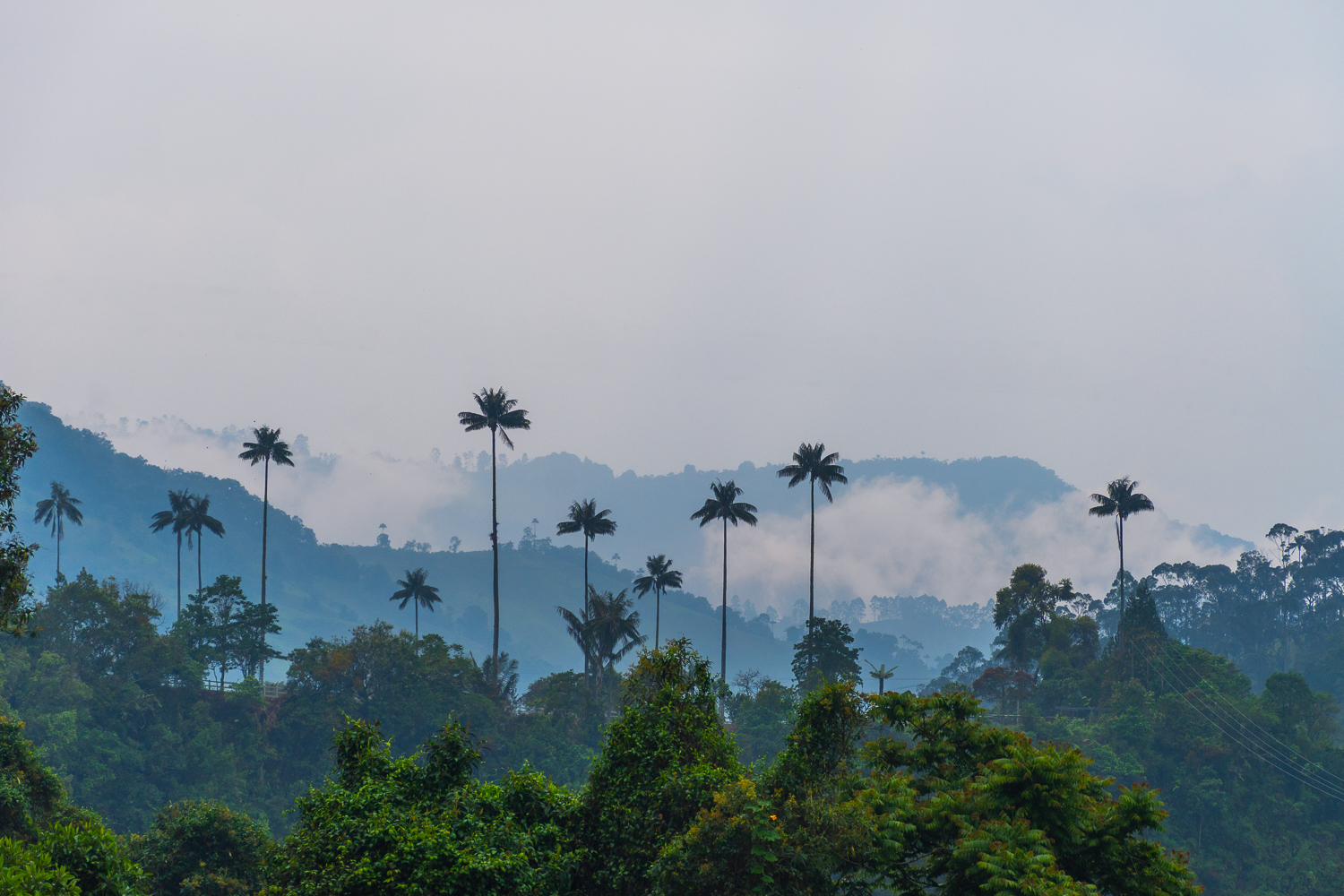
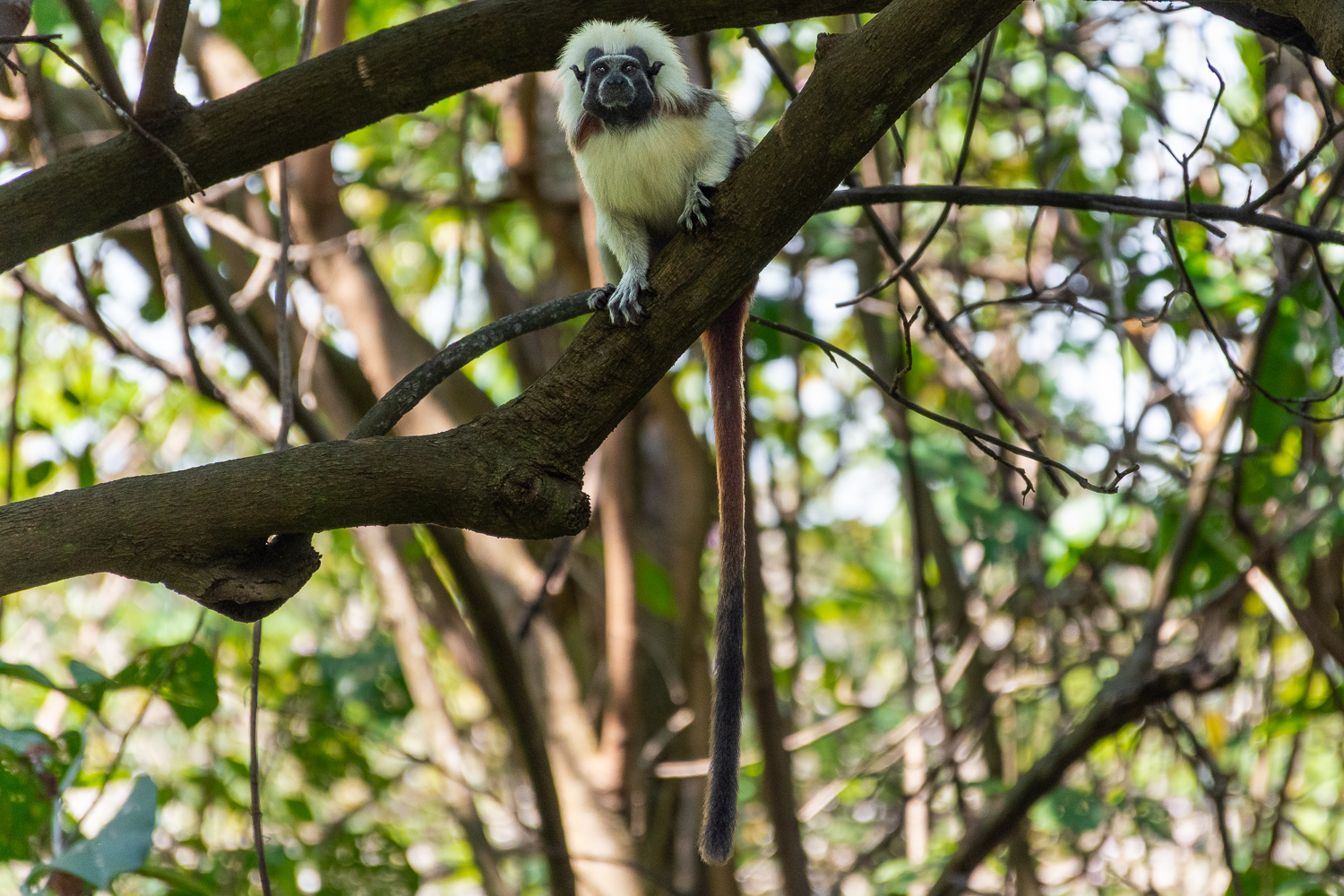
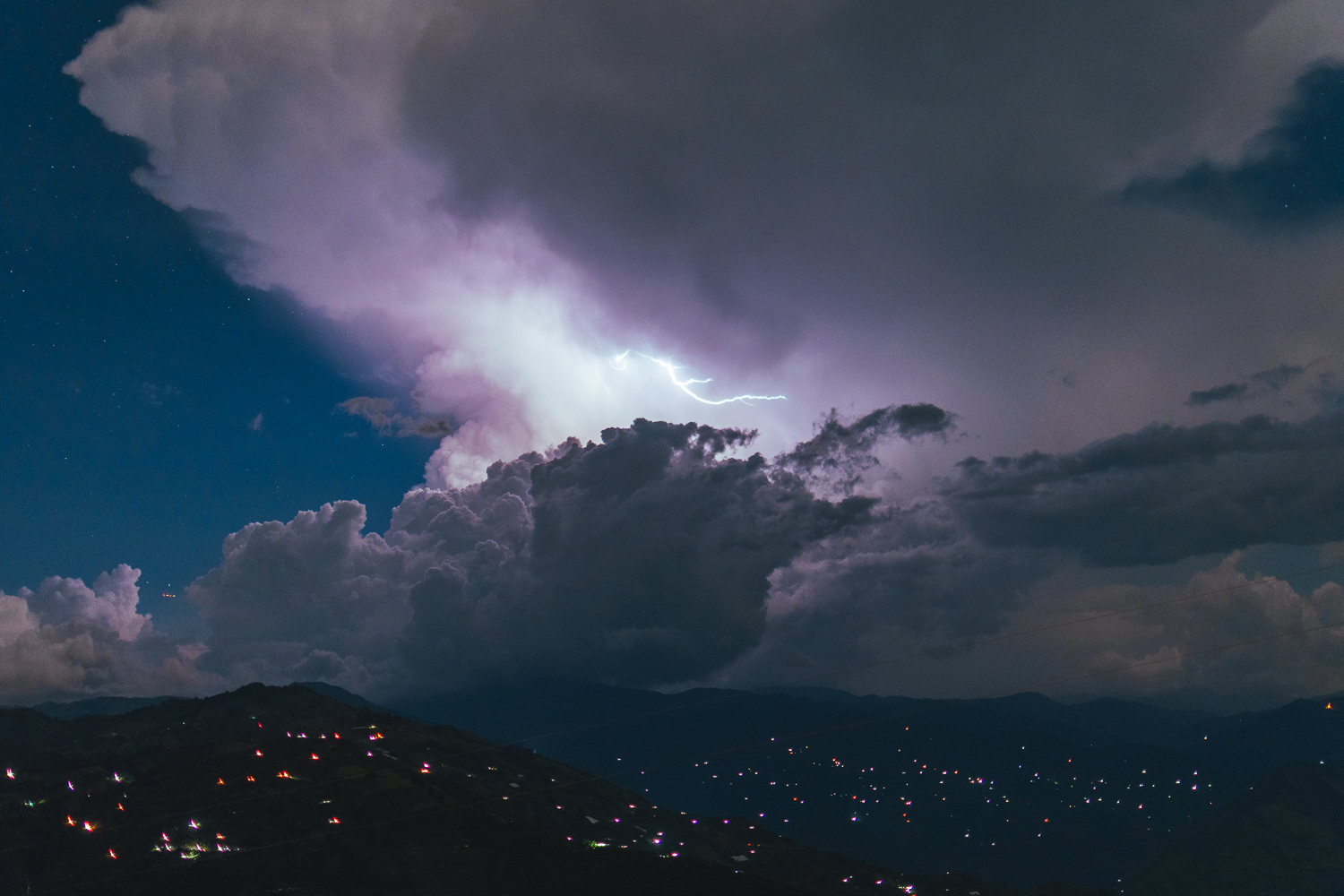
Forests are also integral in managing the water cycle as they filter and channel water sources that reach millions of people around the world.
And we need their help more than ever as we’re polluting and guzzling fresh water for non-essential industries like AI data centres, fast fashion, and the meat industry, which, in its current form, is unsustainable.
It’s completely illogical that our most precious resource, which is literally vital for our survival, is being squandered on things we can 100% live without. But hey, welcome to capitalism, I guess.
Just in case you missed it, the UN recently published a report that should scare every single one of us: they have found that, not only are we are in a water crisis, but we are officially in water bankruptcy.
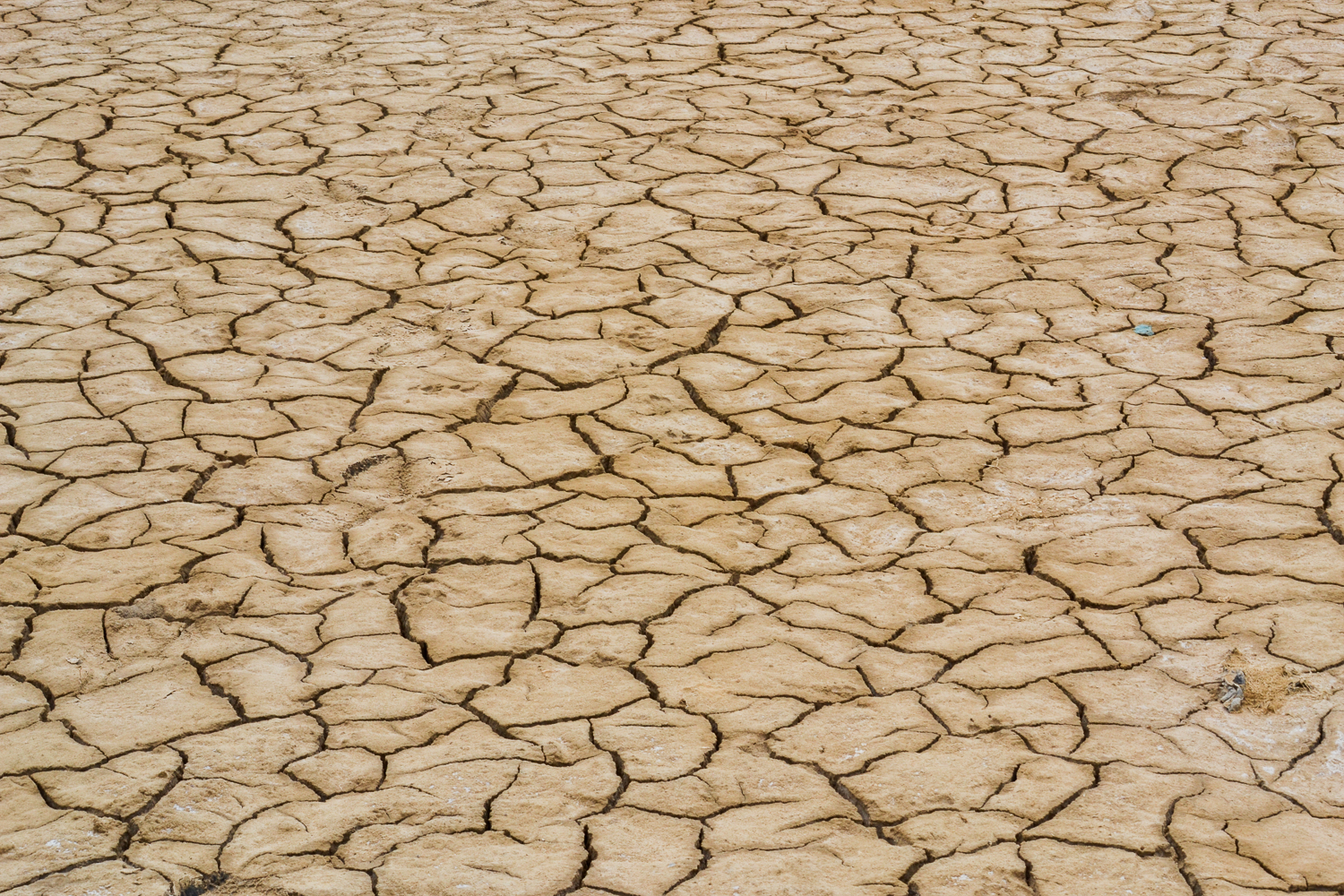
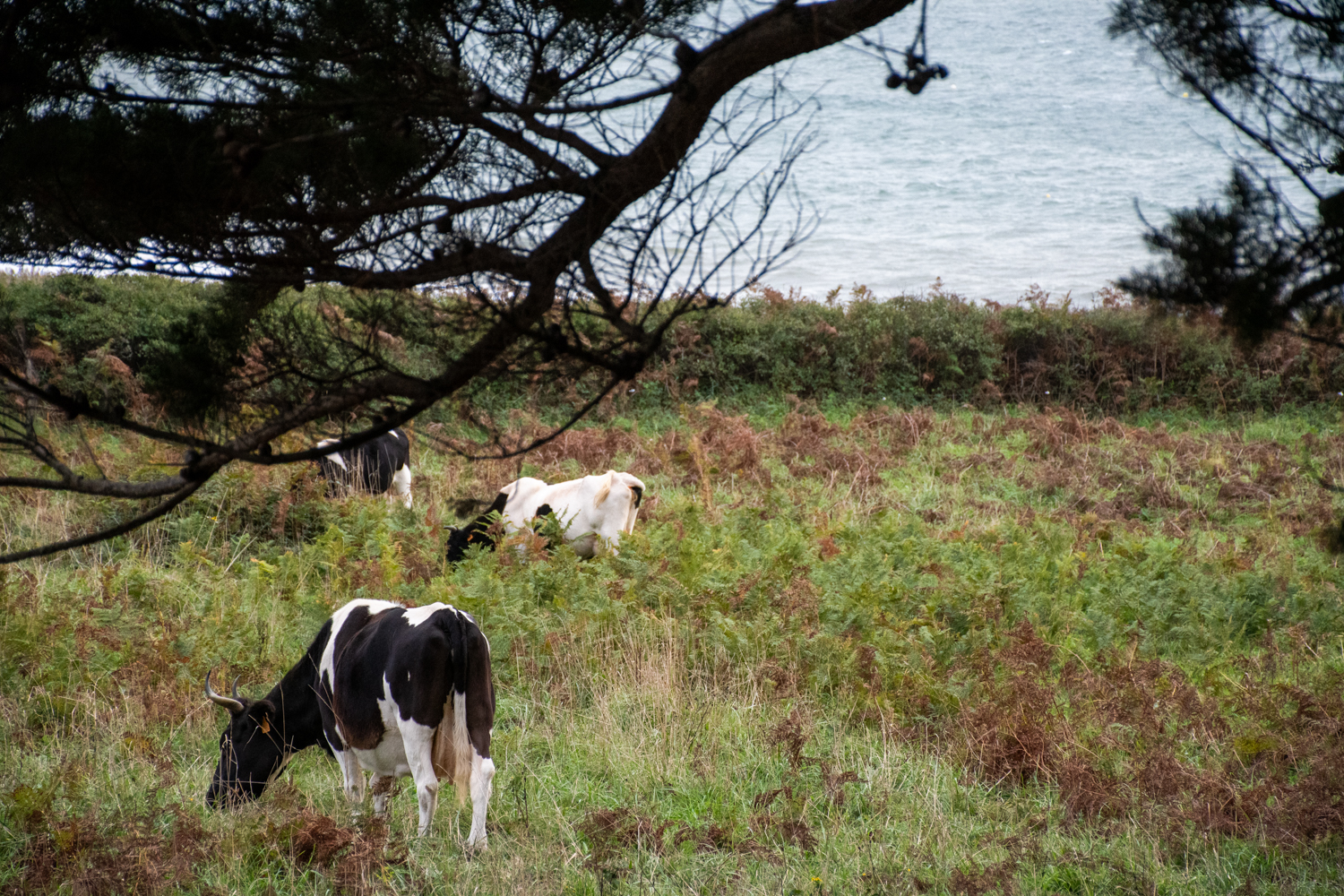
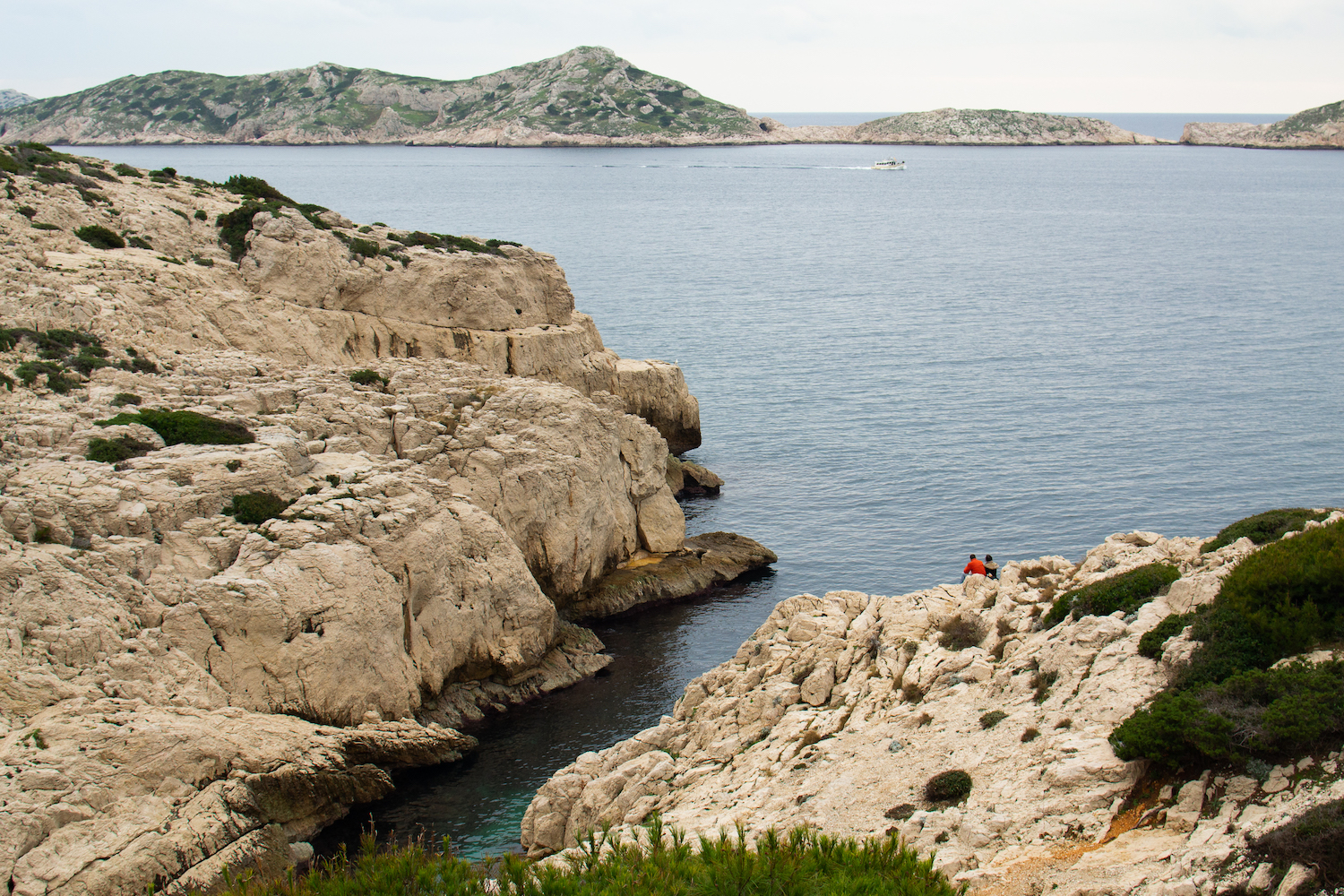
Water scarcity is affecting marginalised communities first but it will soon affect us all, and we must face this catastrophe together before it’s too late. Because our need for water is about more than survival: it’s about our wellbeing.
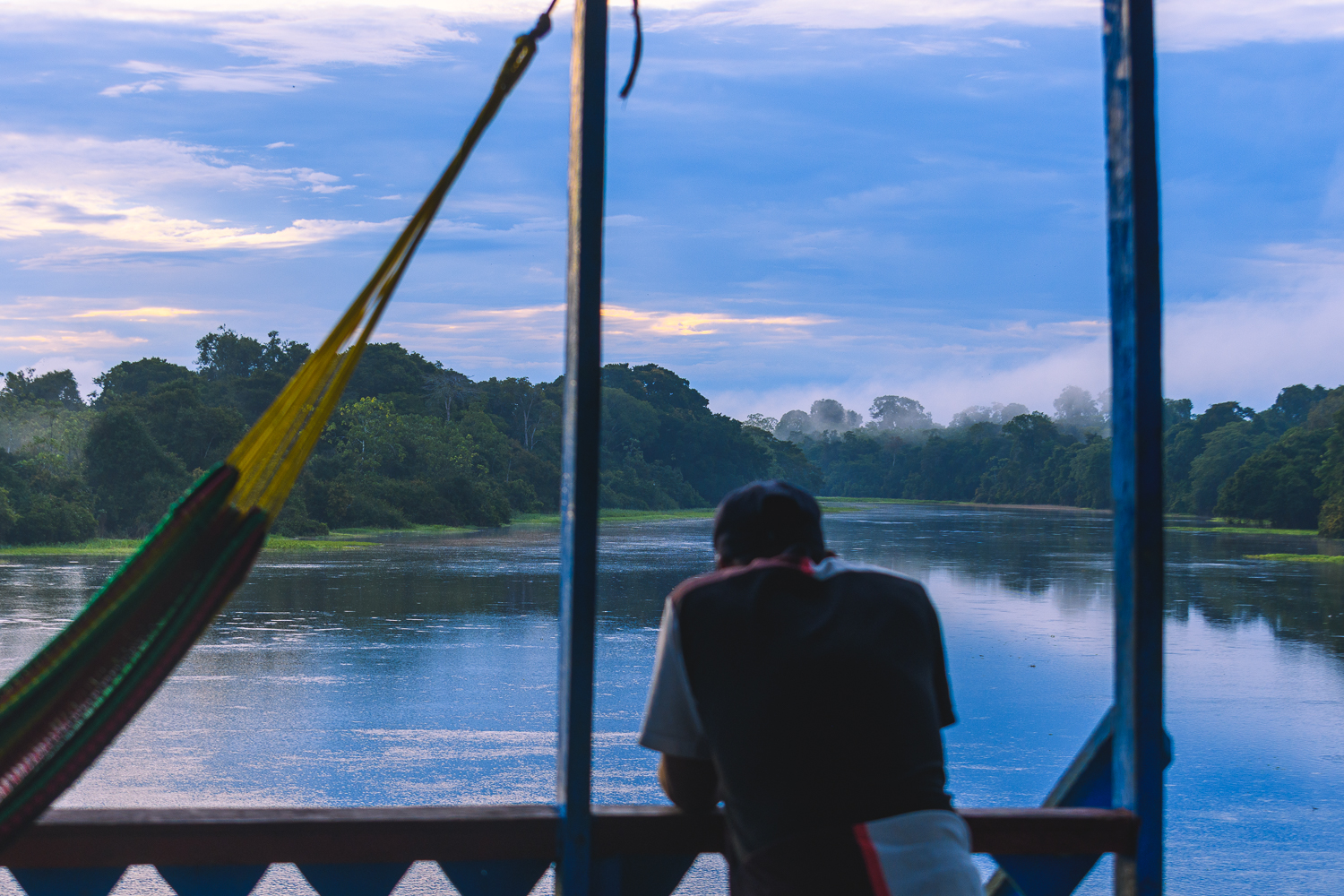
Whether it’s saltwater or freshwater, snow in the French Alps or a lake in the Amazon, humans have always been drawn to water in an instinctual, metaphysical sense; water is calming, soothing, restorative.
Our bodies and brains implicitly understand that water, in all its forms, is life. Especially rain.
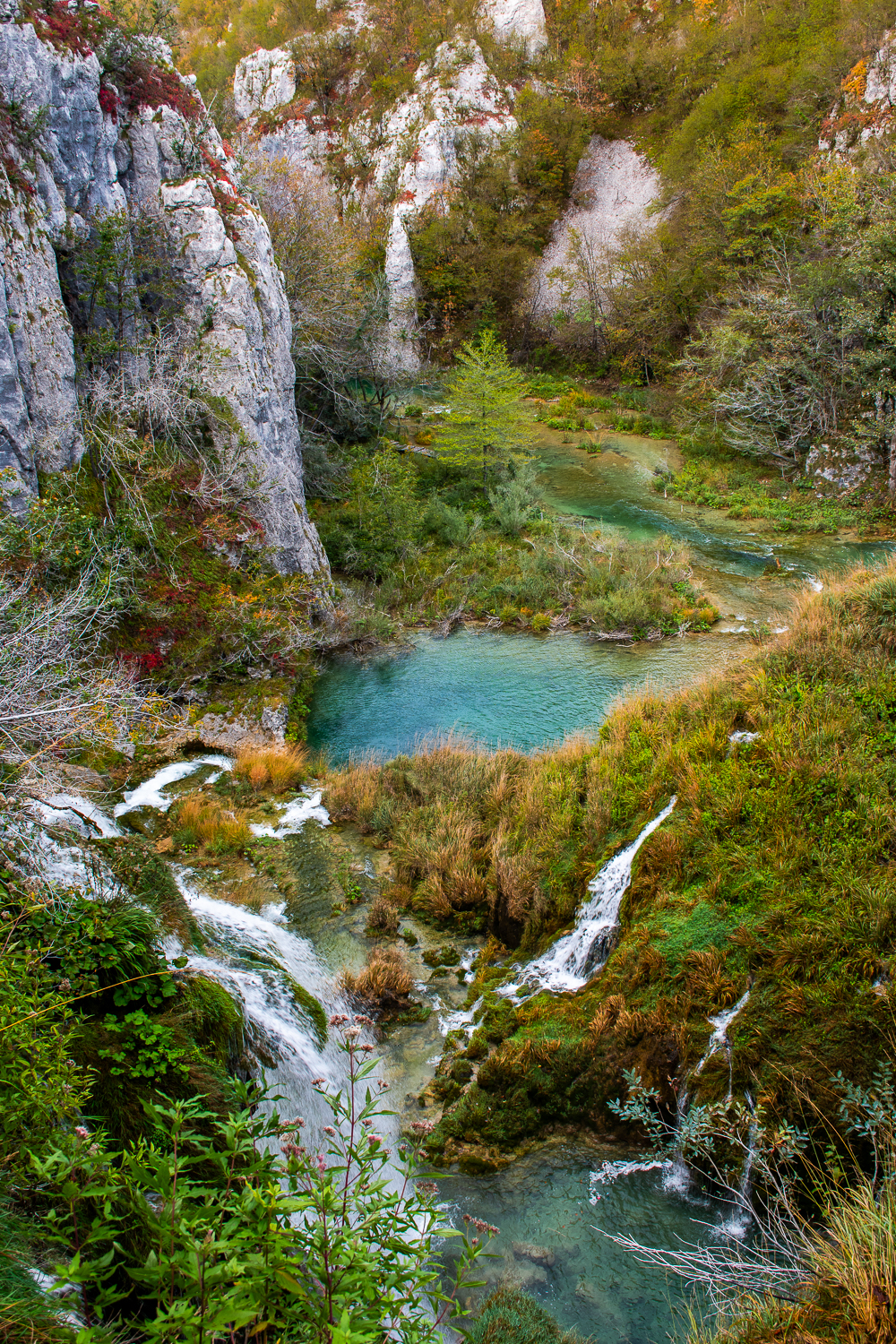
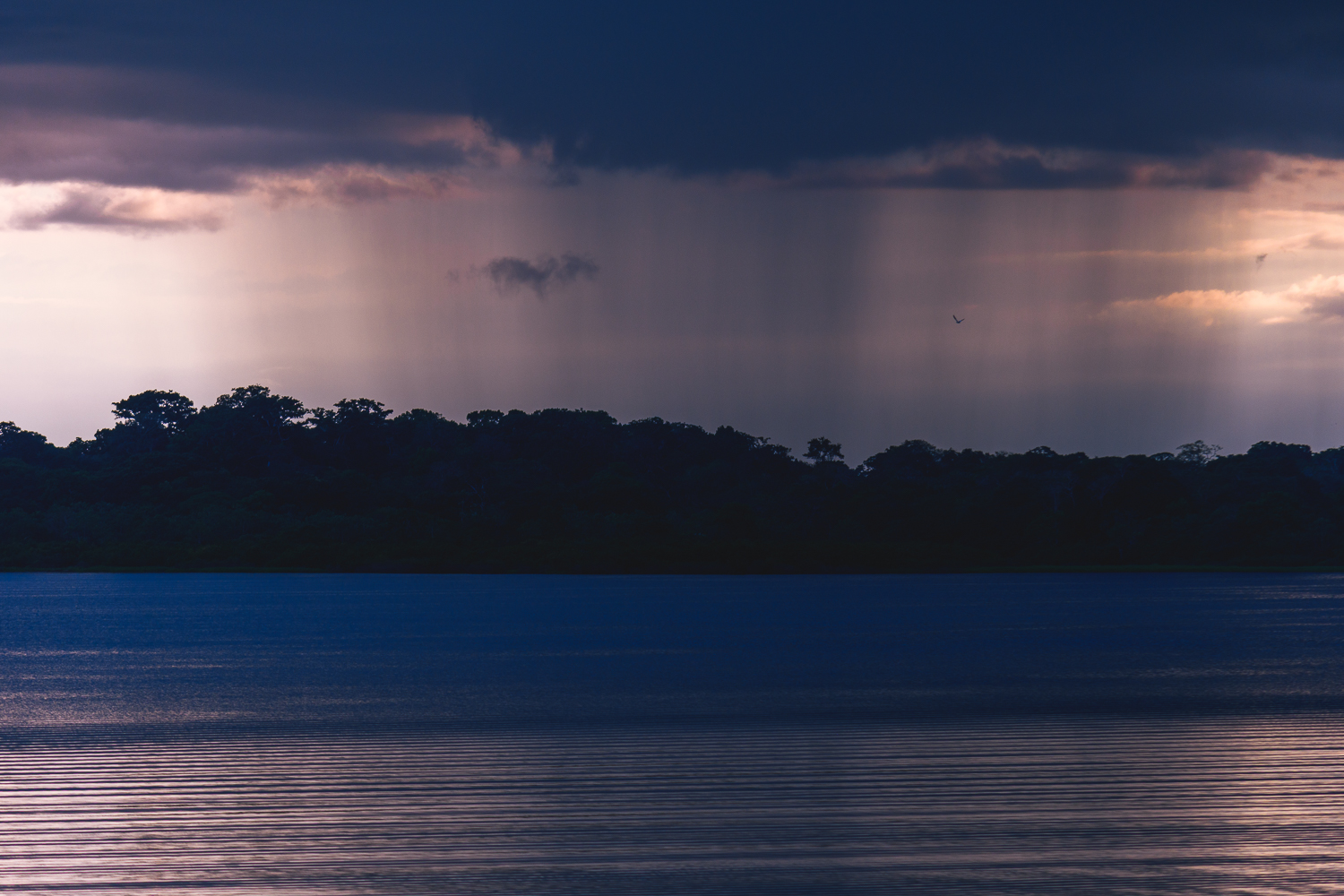
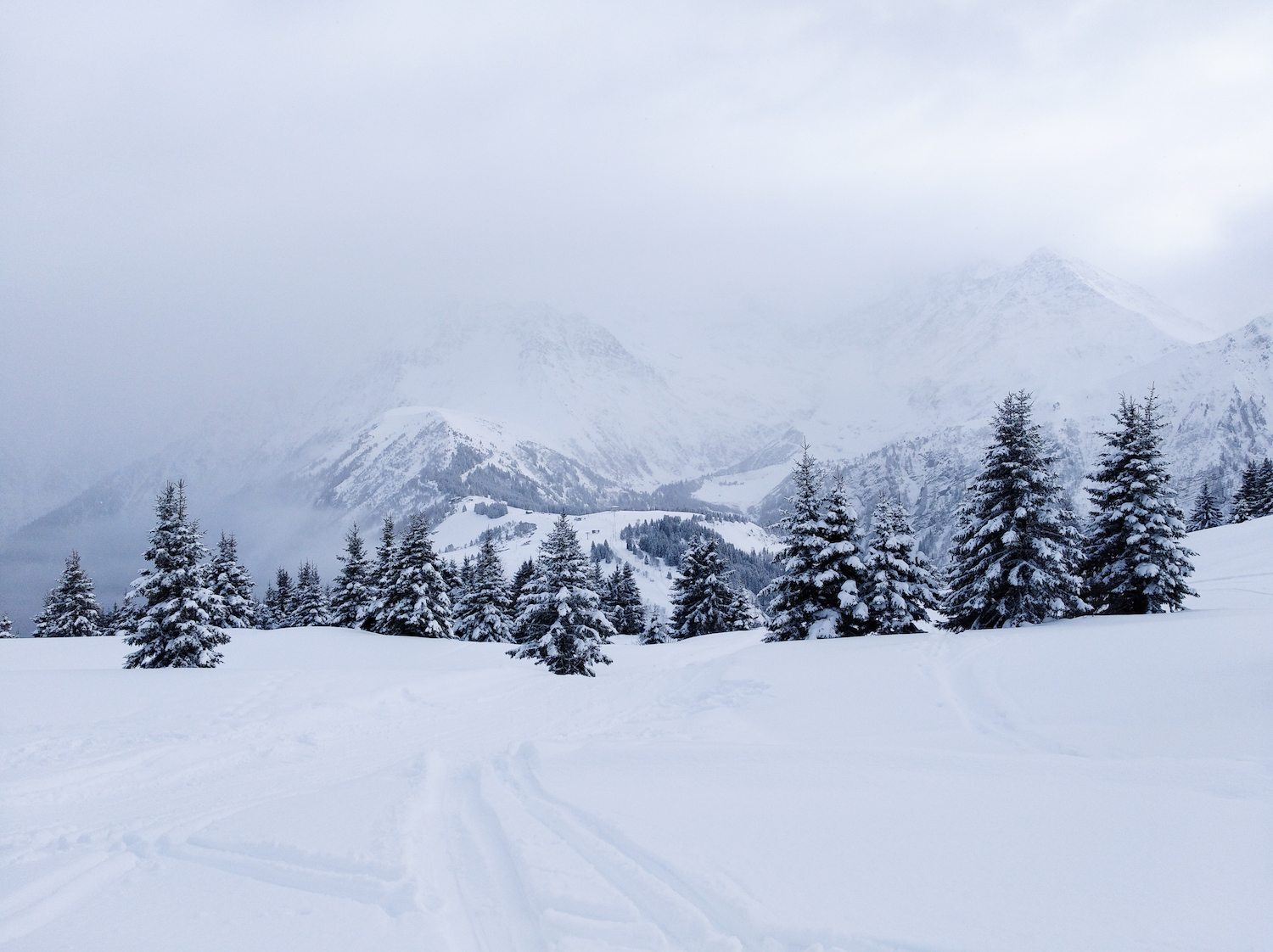
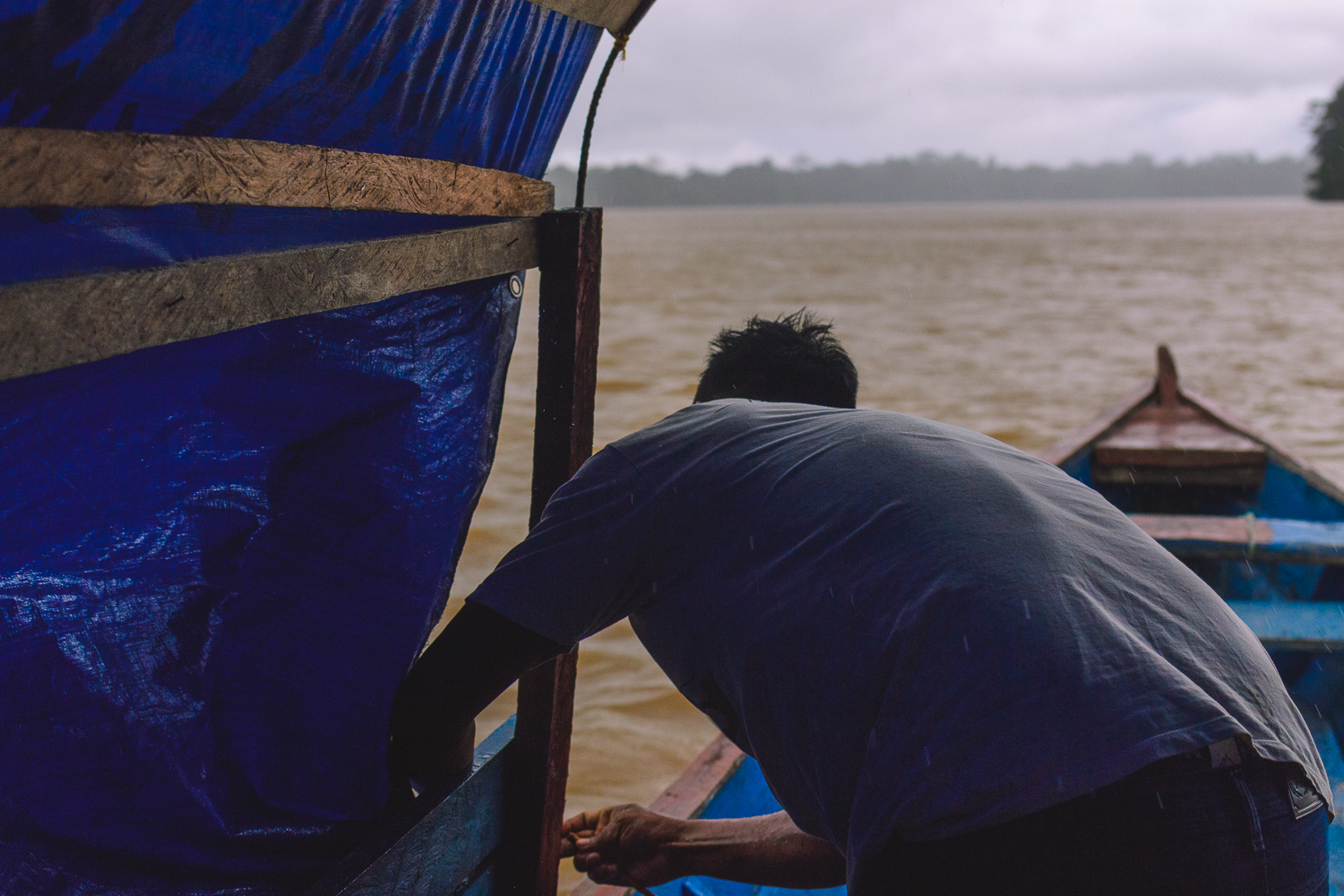
Sure, it might be an annoyance if you live in a city, but rain is the backbone of our existence, and indigenous and rural communities around the world see it as a blessing because they’re deeply aware that we owe our survival to rain, sunshine, and a tiny layer of fertile topsoil.
Now, the seasons and weather patterns that have ensured our food and water supply for millennia are at risk of collapsing.
Which is why we must use our collective power to demand legislation that takes proactive steps towards mitigating climate change and preparing for an increasingly unstable future.
Rhetoric is simply not enough.
There are no easy solutions, no simple answers. But we have to do something, start somewhere. And we have to do it now if we want to save our only liveable planet.
The future can feel daunting and overwhelming, but experts believe there is still hope—if we can cut current greenhouse emissions by 42% by 2030, according to the UN.
Of course, this goal is impossible without collective action and political will.
Which is why we must demand that our political leaders and others in positions of power take solid steps towards a more sustainable future, starting with sanctions and regulations on the corporations and industries causing the most damage—mainly, energy (fossil fuels) and agriculture.
On a more local level, we can strengthen community associations and groups working towards conservation, protection, and restoration of natural ecosystems, and start making tangible lifestyle changes to lower our personal impact and carbon footprints.
We all know these things are easier said than done, so I’d love to know what some of your personal and community-based actions are to mitigate climate change and adapt to extreme weather events?
What steps can we take collectively and individually? How can we ensure a more sustainable future?
 Laura Restrepo Ortega