And Why Every Day Should Be Earth Day
Climate change research has been suppressed by capital-first corporate lobbies and complicit governments since at least the 1960s, hiding the magnitude of the problem from the general public and outright denying that the climate crisis even exists.
If only someone had listened to the climate scientists and environmentalists, who have been unfairly stereotyped as whimsical radicals prone to to dramatics, then maybe, just maybe, the unprecedented frequency and gravity of climate disasters occurring all over the world could’ve have been mitigated, if not prevented.
Because the science was there, we knew what would happen. But money mattered more.
And so the fossil fuel industry continued to systematically pollute, drain, and destroy all types of ecosystems, all over the planet, in their endless quest for profit. And sure, these multinational corporations are powerful, but all of us—the rest of us—together, we can be fucking louder.
Earth Day
Since 1970, Earth Day Network has mobilised millions of people around the world, launching the modern environmental movement, amplifying climate change education, and incentivising bold, innovative solutions to achieve the transformational change our world needs.
Earth Day has provided a global platform for environmental scientists and activists—who have been warning us about the collapse of ecosystems vital to our survival due to pollution, extractive industries, fossil fuels, and unsustainable practices for decades—to share their findings, worries, and ideas.
Unfortunately, the ruling minority has a privileged ability to push their agendas on governments and pass laws that favour their wealth over our collective welfare; add that to unrestrained political power and you have a recipe to silence those who dare speak up for our one and only planet.
Capitalism Vs. Environmentalism
But what is so dangerous about a group of hippies who want to save the whales? Well, that’s easy: “those hippies” understand that everything is connected and that our entire ecosystem—what has kept humans alive for millennia—is all about to collapse from under us because there is too much pressure on Earth, she is overextended.
Capitalism demands infinite growth in a finite system, and to try and keep up, humans have broken the connections that sustain and support the natural networks that give us life. Fresh water, crops, ocean currents, seasons—they’re all in disarray—but at least a few CEOs are making tonnes of cash!
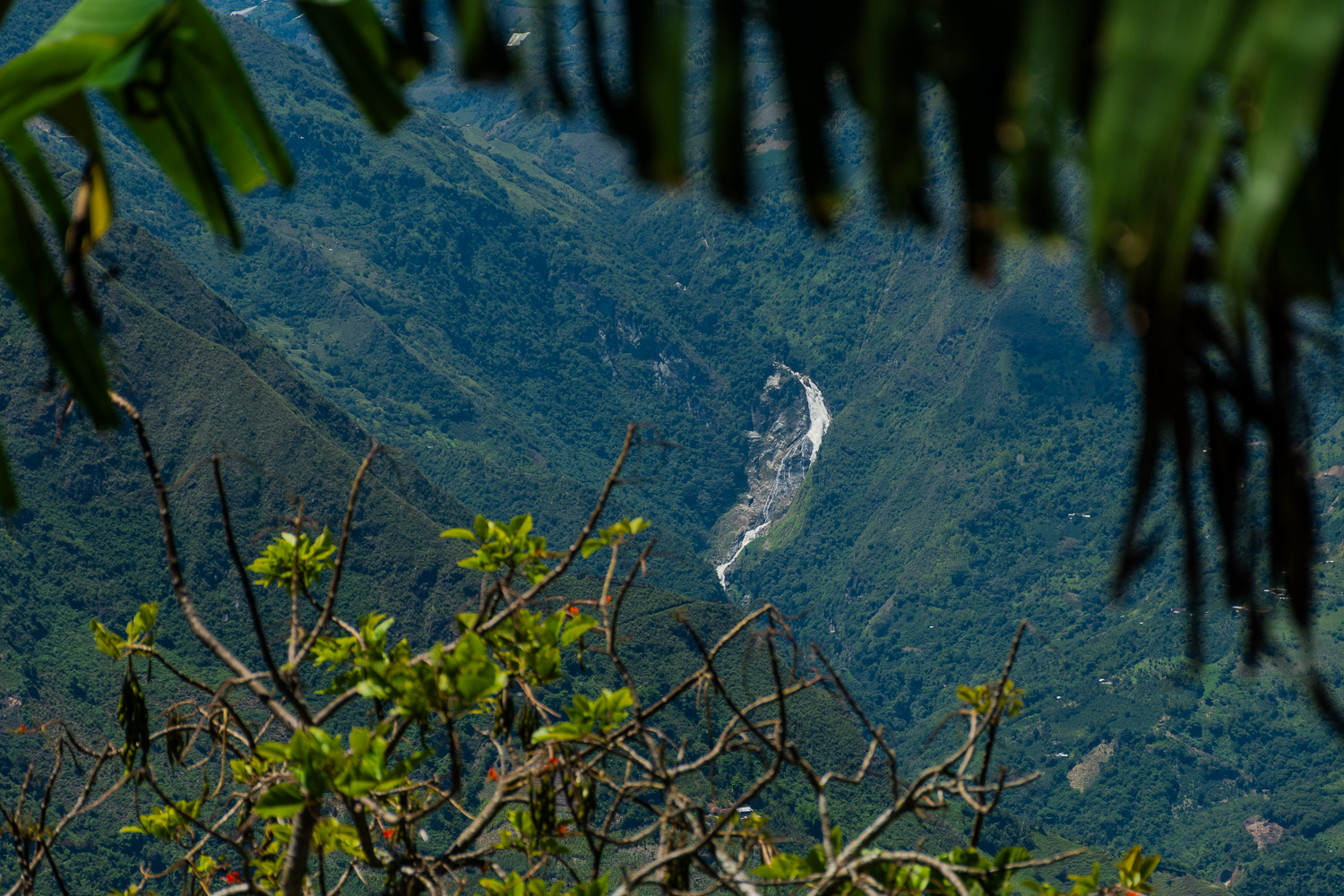
A forest is only of value to the stock market once it’s cut down and sold, and dissenting voices can make a fuss about the things keeping these companies rich—like cutting down forests or fracking—which is why crushing them before they get too loud presents a high ROI for the rich and powerful.
Plus, the capitalist dogma of comfort and distraction—“as long as you’re comfortable and having fun then nothing’s wrong, is it?”—has effectively lulled most people into complacency while our world burns and drowns. “What can I do?” millions of them shrug.

We Are the Earth
For decades, those in power have managed to obfuscate what should be a very obvious truth: we are not separate from the environment—that’s where we live!—and we must therefore protect it if we want to survive and thrive.
No matter how much they try to make “the environment” seem like a foreign concept, the truth is nature sustains us, and not just physically; connection to nature is essential for our mental health and wellbeing.
Research shows human contact with nature has declined drastically—up to 60%—in the past 200 years, according to a recent study published in the journal Earth.
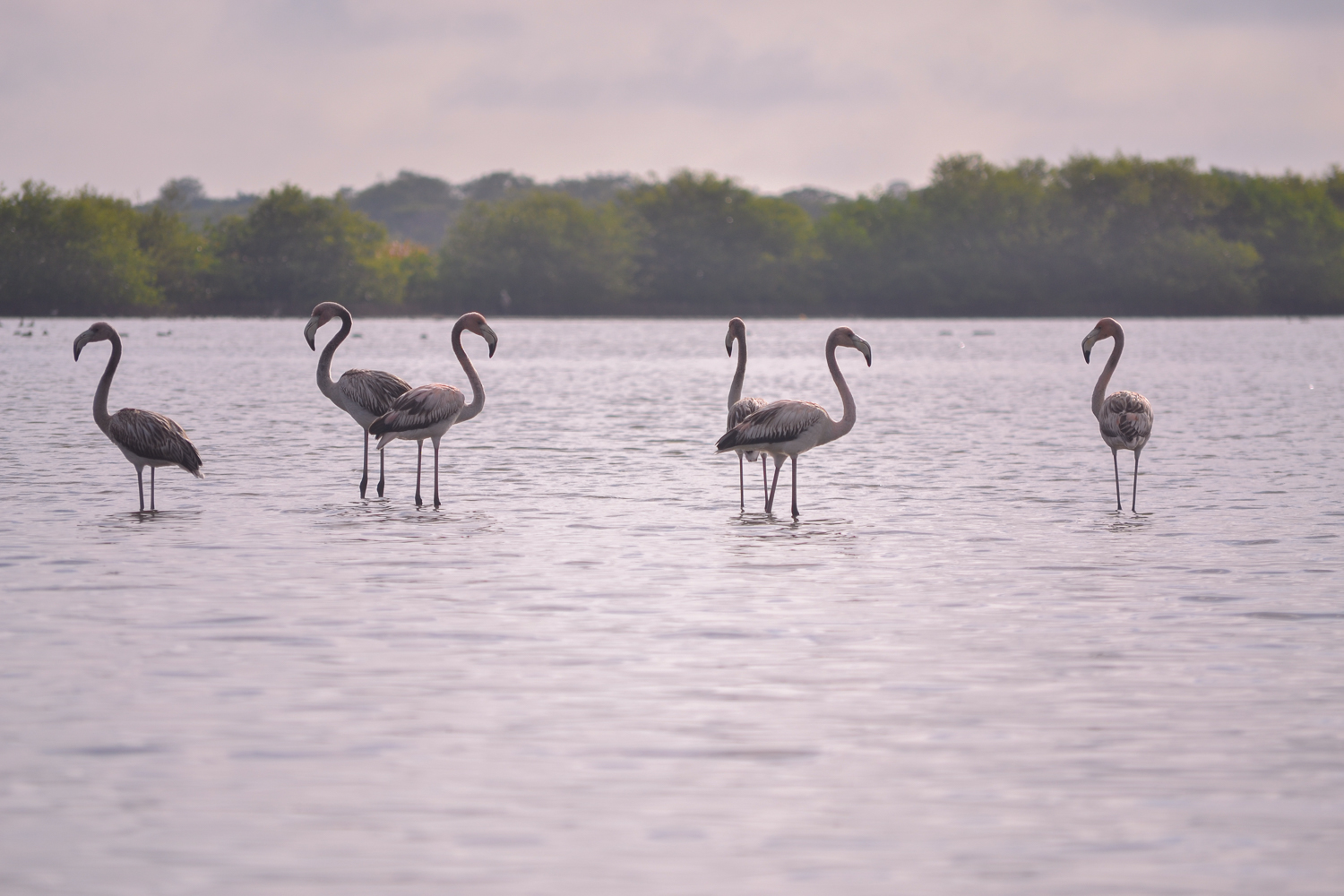
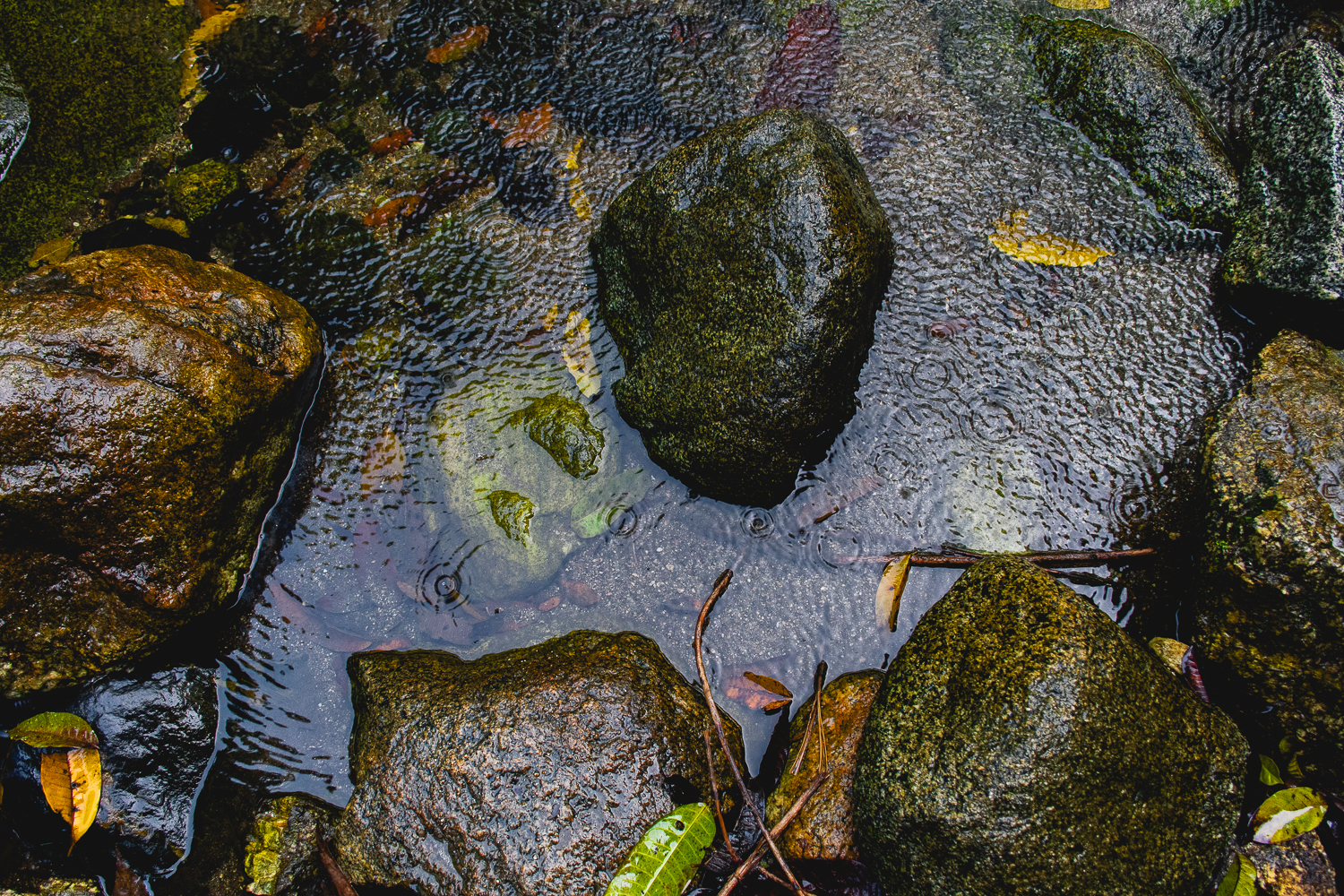
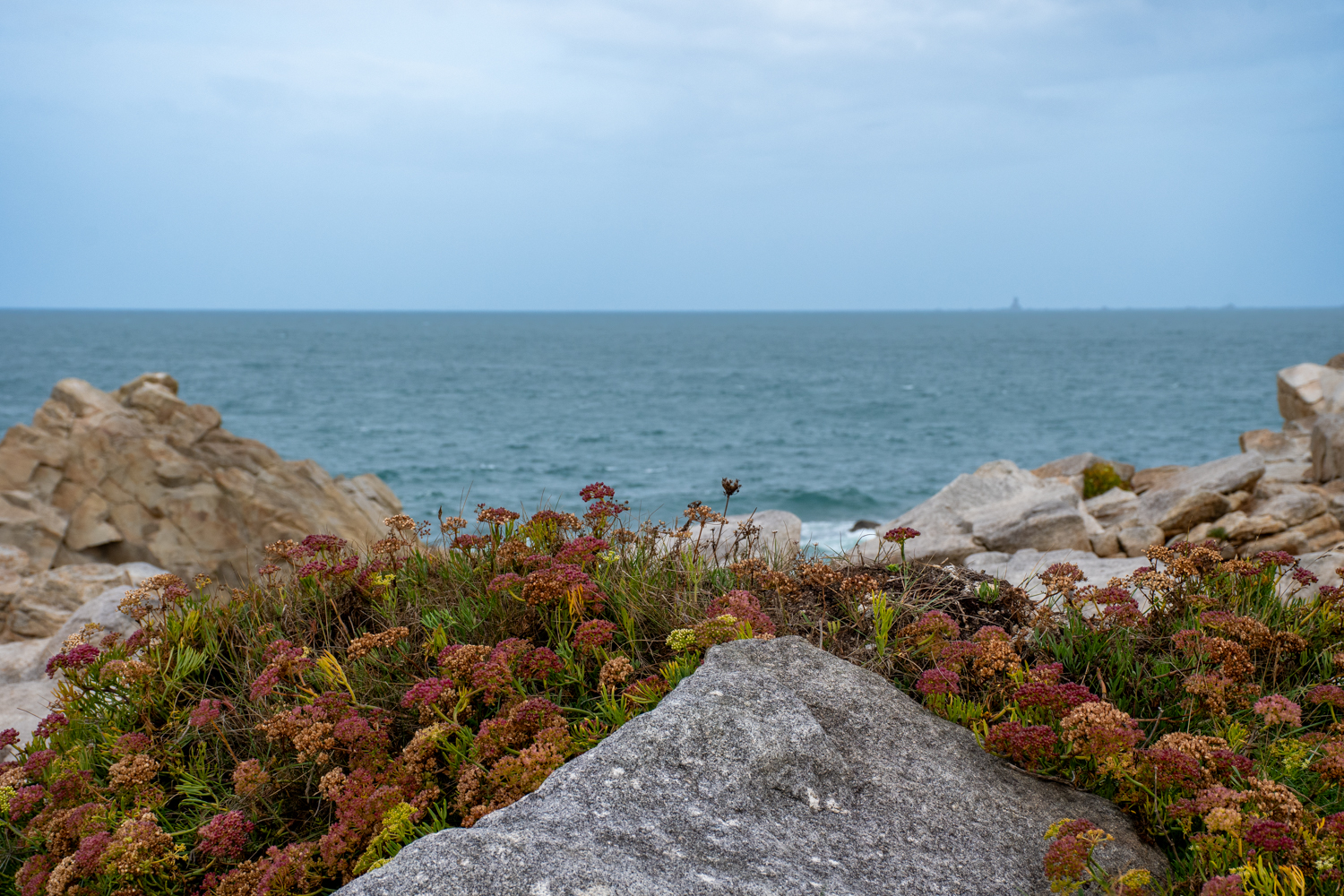
This shift can be traced to multiple causes including urbanisation and environmental degradation, which have led to fewer outdoor third green spaces and erosion of nature connectedness, though other factors such as technology, population dynamics, and intergenerational transmission of contact with nature have also made an impact.
This phenomenon, known as “extinction of experience”, also leads to a decrease in the affinity for environmental protection, creating a void that movements such as Earth Day are stepping in to fill, inciting action and love for our planet.
What Can We Do?
First, we all have to fall in love with Earth every day—she’s the only home we have!
Then, governments, corporations, and the public must join forces to ensure we have a habitable planet and a more stable climate, but it’s going to require critical measures.
It’s crucial that we protect rivers, wetlands, and forests, curb pollution, reduce the use of fossil fuels, safeguard water sources, switch to renewable energy sources, restore ecosystems swallowed up by concrete, and safeguard natural habitats for wildlife.
Climate catastrophe is here, but it’s not too late. Beyond the steps we can all take on an individual level to reduce our carbon footprint, we must use our collective power to pressure elected officials and those in power to act in favour of living beings over capital.
Money will not save us; safe access to food and water will. And this can only happen through cooperation and collaboration. We must act now.

